

Menu
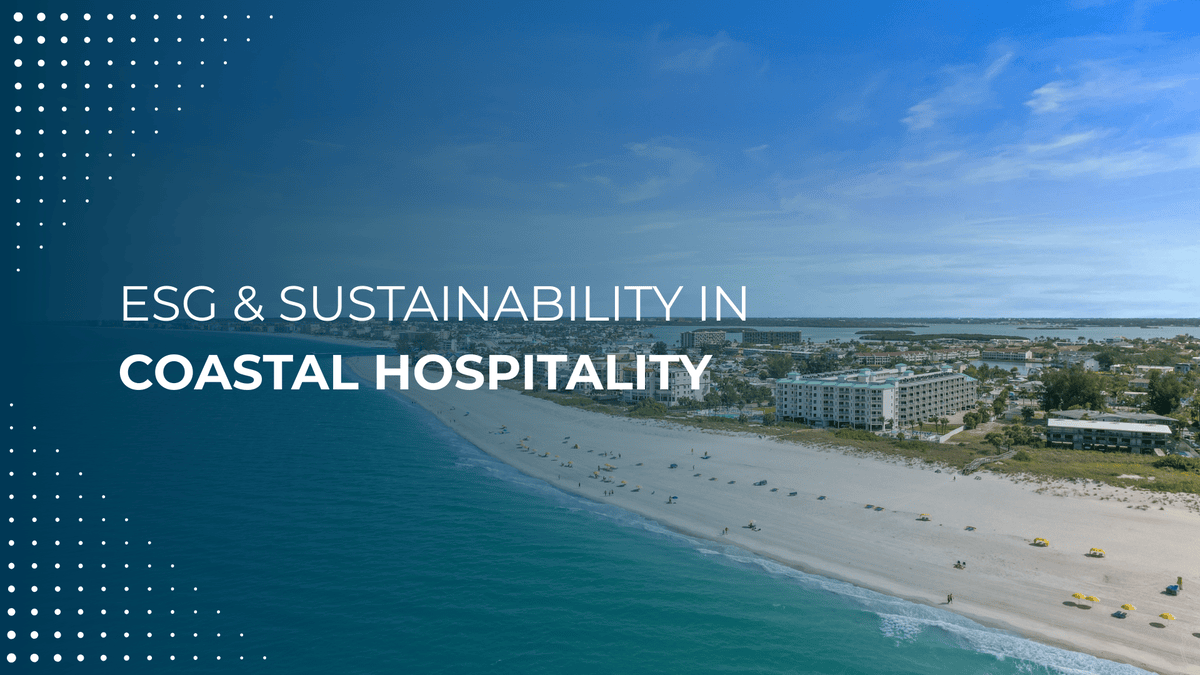
Environmental, Social, and Governance (ESG) principles are no longer optional in hospitality — they’re expectations. Nowhere is this more true than in coastal destinations, where the environment is both the greatest attraction and the greatest vulnerability. For owners, operators, and investors, sustainability in hospitality isn’t just about reputation. It’s about protecting the long-term viability and value of the asset.
At Brittain Resorts & Hotels (BRH), we’ve seen firsthand how ESG initiatives can improve efficiency, strengthen brand reputation, and create real ROI. Here are five ways ESG and sustainability are shaping coastal hospitality.
Protecting Coastal Ecosystems
Guests visit coastal resorts for clean beaches, thriving marine life, and natural beauty. Resorts that fail to manage waste, water runoff, or coastal erosion risk damaging the very asset that drives tourism.
What works:
- Partnering with local conservation organizations.
- Reducing single-use plastics.
- Implementing stormwater and erosion control measures.
Protecting the shoreline isn’t just good citizenship, it’s preserving the long-term marketability of the destination.
Energy and Water Efficiency = Cost Efficiency
Sustainability often overlaps with profitability. Energy-efficient HVAC systems, LED lighting, water-saving fixtures, and smart irrigation systems all reduce operating costs while lowering a property’s carbon footprint.
At scale, even small efficiency upgrades can translate into significant NOI improvements for owners.
Responsible Development and Renovation
Coastal markets often face heightened scrutiny around development. Resorts that embrace responsible building practices from LEED certification to recycled materials gain credibility with regulators, investors, and eco-conscious guests.
At BRH, we integrate sustainability into our project management and renovation services to ensure upgrades not only enhance the guest experience but also reduce environmental impact.
Social Impact and Workforce Sustainability
ESG isn’t just environmental. In coastal destinations, hospitality is often the largest employer, which makes workforce sustainability a critical priority.
That means:
- Investing in employee housing solutions.
- Creating career development pathways to reduce turnover.
- Supporting community initiatives that make the destination stronger.
A stable, loyal workforce directly improves guest satisfaction and strengthens the social fabric of the market.
Transparency and Investor Confidence
Today’s investors are increasingly factoring ESG scores into their evaluations. Resorts with measurable, transparent ESG initiatives are more attractive investment opportunities — not only because of reduced operating risks, but also because ESG alignment often leads to stronger asset valuations.
The Bottom Line
In coastal hospitality, sustainability is more than a marketing line — it’s a business imperative. By protecting ecosystems, improving operational efficiency, developing responsibly, supporting communities, and maintaining transparency, resorts can strengthen both their brands and their asset value.
At Brittain Resorts & Hotels, we see ESG not as a checkbox, but as a long-term strategy that benefits guests, employees, owners, and the coastal environments we call home.
Want to learn how ESG can enhance your resort’s profitability and long-term value? Connect with Brittain Resorts & Hotels to explore our sustainability-focused management approach.