

We have all heard of the Golden Rule: “Treat others as you want to be treated.” It’s something that is instilled in us from a young age, and on the surface, it makes perfect sense. But does it work today, not just at work but also in everyday life?

We have all heard of the Golden Rule: “Treat others as you want to be treated.” It’s something that is instilled in us from a young age, and on the surface, it makes perfect sense. But does it work today, not just at work but also in everyday life?

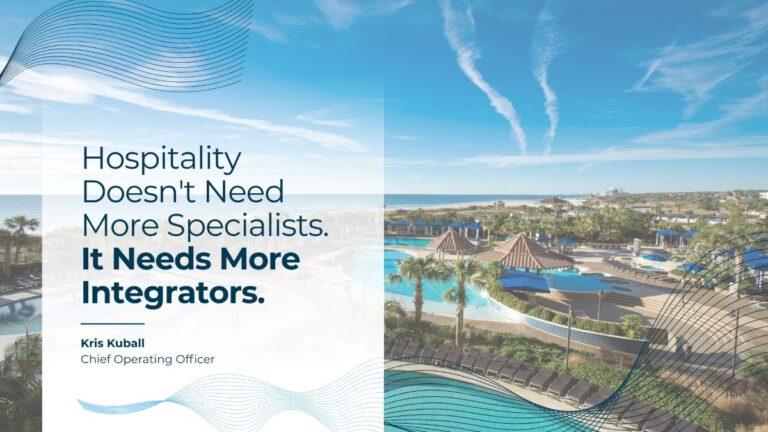
Hospitality companies have spent years becoming more specialized. Operations teams focus on operations. Revenue teams focus on revenue. Marketing teams focus on marketing. Each discipline has its own leaders, systems, meetings, reports, and priorities.

For resorts, the difference between a one-time stay and a lifelong guest often comes down to a single factor: the experience. Guests may book based on price, location, or amenities, but they return because their stay left a lasting impression.

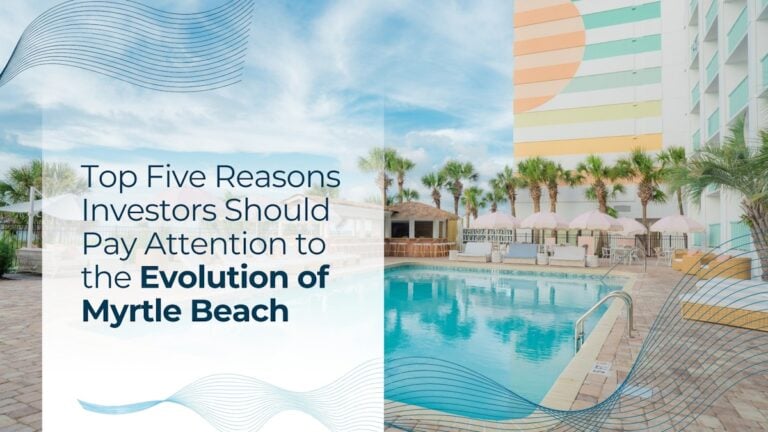
Myrtle Beach has long been recognized as one of America’s favorite vacation destinations, but in recent years it has begun to evolve into something much bigger, a thriving, year-round community and an increasingly attractive investment market.

In today’s hospitality landscape, data isn’t just information, it’s opportunity. The ability to capture, analyze, and act on guest insights is what separates properties that thrive from those that struggle.

In hospitality, a clean room isn’t enough. Guests expect that as a baseline. What sets a property apart — and what turns a one-time visitor into a lifetime brand advocate, is an experience so remarkable that guests want to share it with others.

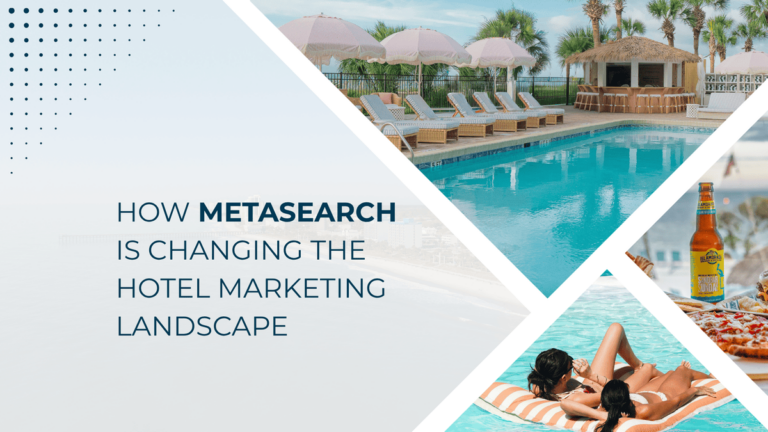
In hospitality, search engines have evolved beyond their original role. Today, platforms like Google and TripAdvisor function less like traditional search tools and more like digital travel planners, guiding guests through rate comparisons, reviews, and booking decisions.

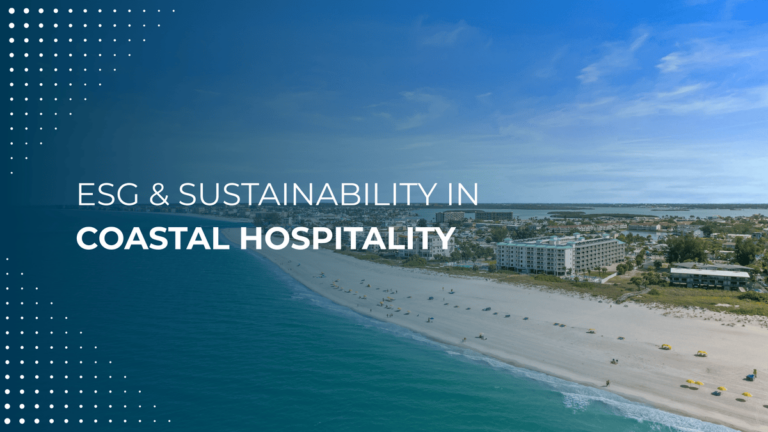
Environmental, Social, and Governance (ESG) principles are no longer optional in hospitality — they’re expectations. Nowhere is this more true than in coastal destinations, where the environment is both the greatest attraction and the greatest vulnerability. For owners, operators, and investors, sustainability in hospitality isn’t just about reputation. It’s about protecting the long-term viability and value of the asset.

In today’s hotel landscape, it’s no secret that online travel agencies (OTAs) dominate guest acquisition. For many hotels, reliance on OTAs accounts for 40% to 75% of bookings — and while that may keep occupancy strong in the short term, it comes at a steep cost. Commission fees eat away at revenue, and properties risk losing control of the guest relationship.

Condo hotels are gaining momentum as both an investment vehicle and a hospitality model. Blending individual ownership with professional resort management, they allow owners to enjoy personal use of their unit while generating income when it’s rented to guests. For developers, operators, and buyers, condo hotels represent a hybrid that combines the benefits of real estate with the revenue potential of hospitality.
Please complete the form below and we’ll handle your request promptly. Thank you!
Please complete the requisition form on this page and we’ll handle your request promptly. Thank you!
"*" indicates required fields